


There is a specific moment most dog owners remember. The day you noticed your dog pause at the bottom of the stairs instead of bounding up. Or the morning they left half their breakfast untouched for the first time. Or a walk where they just stopped, looked up at you, and seemed ready to turn back.
It is not dramatic. Aging in dogs rarely is. It creeps in through small changes that are easy to explain away individually like a tired day, a hot afternoon, a stomach that just needed a rest. But when those small changes start adding up, they are telling you something important.
The good news is that knowing what to look for makes an enormous difference. Dogs that are well supported in their senior years with the right nutrition, the right movement, and the right daily care often stay active, comfortable, and emotionally present well into old age. This guide covers how to tell if your dog is aging well, what the warning signs actually look like, and how to care for an aging dog naturally and effectively.
When Is a Dog Actually "Senior"?
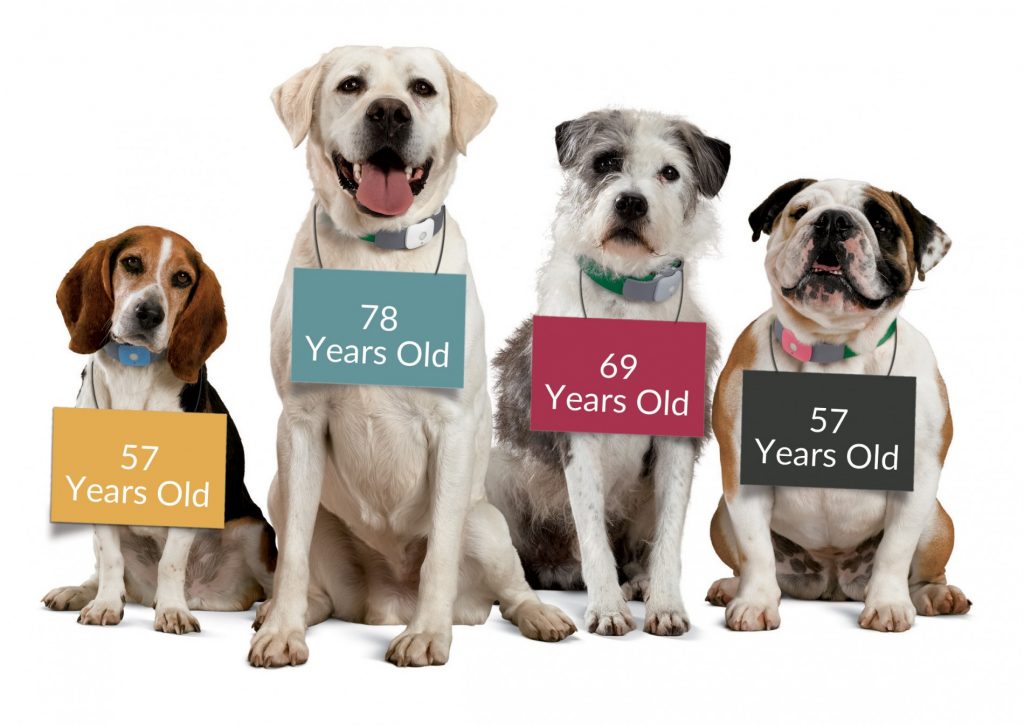
 The common answer is seven years, but that is a rough average and it varies significantly by breed and size. Large and giant breeds age faster such as a Great Dane is considered senior around five or six, while a Beagle or a Shih Tzu might not show meaningful aging until nine or ten.
A better way to think about it: your dog is entering their senior phase when you start noticing physical or behavioral changes that were not there a year ago. That shift is not a number on a calendar but it is when senior care needs to become a deliberate part of how you look after them.
What Healthy Aging Actually Looks Like
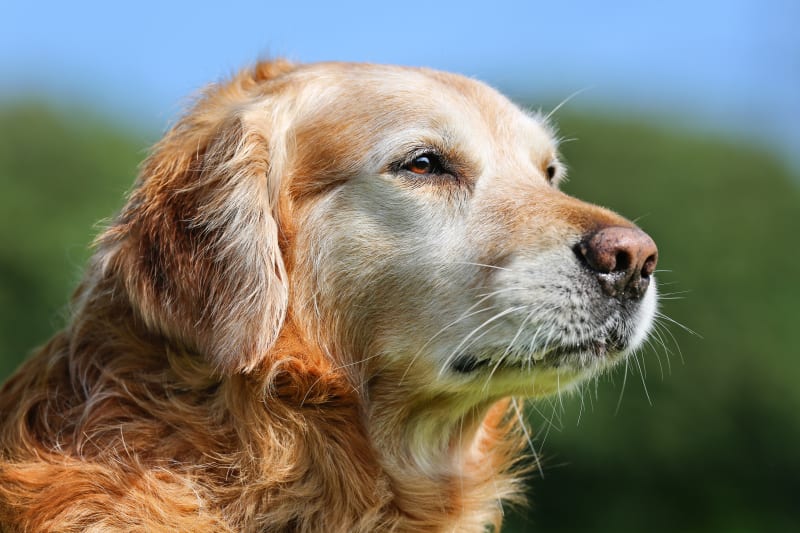
 It is worth knowing the baseline before we get into warning signs. A dog who is aging well will naturally slow down. They will sleep more, recover from exercise a little slower, and be less explosive in their energy. That is normal and fine.
What healthy aging looks like alongside that slowdown: a good, consistent appetite, firm regular stools, easy movement without visible hesitation or stiffness on most days, bright and responsive eyes, clean coat and skin, and emotional engagement with the people around them. A senior dog can be a quieter dog and still be a thriving dog.
The concern is when the slowdown extends beyond energy levels into how their body is actually functioning.
The Three Areas That Decline First
In the vast majority of senior dogs, the first meaningful changes show up in one or more of three areas: digestion, mobility, and emotional regulation. Understanding each one helps you catch problems early rather than after they have become established.
Digestion
Gut function naturally becomes less efficient as dogs age. Gut motility slows, the diversity of the gut microbiome decreases, and the intestinal lining becomes slightly less effective at absorbing nutrients. The result is that a senior dog eating the exact same food they have eaten for years may start showing loose stools, increased gas, or intermittent vomiting, not because the food has changed, but because the gut has.
Senior dogs also tend to go through more medication cycles like antibiotics for infections, NSAIDs for joint pain, both of which significantly disrupt gut flora and compound existing digestive fragility.
Signs to watch for: stools that are softer than usual more often than not, a dog that eats grass frequently, increased rumbling or gas, weight loss despite eating normally, or a dull coat (which often signals poor nutrient absorption). For a deeper look at what causes digestive issues in dogs and what helps, read our guide on why your dog's stomach keeps getting upset.
Joints and Mobility
Joint deterioration is probably the most common quality-of-life issue in senior dogs, and it is also the most underdiagnosed. Dogs are instinctively wired to hide pain and discomfort but a survival mechanism, so by the time a dog is visibly limping, the joint problem has often been developing quietly for months.
The early signs are behavioral rather than physical: reluctance to jump onto furniture they used to claim as their own, slower pace on walks, hesitation before lying down or getting up, shifting weight when standing, or simply spending significantly more time resting. Larger breeds like Labradors, German Shepherds, Golden Retrievers are at higher risk, but joint stiffness can affect any dog in their senior years.
Cold weather makes this worse, which is why many owners notice the change most sharply in winter months. Our article on early signs of joint pain in dogs covers this in more detail.
Anxiety and Cognitive Changes
 This one catches owners off guard more than the others. Behavioral and emotional changes in senior dogs are real, well-documented, and often the first sign that the nervous system is under strain.
Some dogs become more clingy and anxious with age, particularly around separation or unfamiliar situations. Others seem to forget established routines, get disoriented in familiar spaces, or show disrupted sleep cycles -- waking and pacing at night. In more advanced cases, this is canine cognitive dysfunction (CCD), sometimes called dog dementia, which affects a significant percentage of dogs over ten.
Even short of CCD, a senior dog that is more reactive, more unsettled, or less emotionally regulated than they used to be deserves attention. Stress and anxiety in older dogs are not just about comfort -- chronic stress accelerates physical decline through its effect on the immune system and the gut. Read more on how to tell if your dog is genuinely anxious.
What You Can Do: Practical Senior Care
Vet Visits Should Move to Twice a Year
This is the single most impactful change most owners do not make. Annual vet checks are designed for healthy adults. Senior dogs change faster, and a six-monthly check allows your vet to catch blood work changes, weight shifts, dental disease, and early organ function issues while they are still manageable. If your dog is over eight and still on annual visits, it is worth a conversation with your vet about moving to bi-annual.
Adjust Their Food, Not Just the Quantity
Senior dogs generally need slightly fewer calories (less activity, slower metabolism) but more digestible protein to maintain muscle mass. Many commercial "senior" kibbles reduce protein alongside calories, which is the wrong trade-off. Look for a food where a named protein source is the first ingredient, with moderate fat and easily digestible carbohydrates.
If you feed home-cooked food, lean proteins like chicken, eggs, and fish are excellent. Adding a small amount of pumpkin or sweet potato provides prebiotic fiber that supports gut health naturally.
Keep Them Moving, Just Differently
Rest is not the answer for joint stiffness -- gentle, consistent movement is. Short, frequent walks on soft surfaces are far better for arthritic joints than one long walk that leaves the dog stiff the next day. Swimming, if accessible, is excellent for dogs with significant joint issues because it builds muscle without loading the joints.
Orthopedic bedding matters more than most owners realise. A dog sleeping on a hard floor with aging joints will wake up stiffer and more uncomfortable every single morning. A good memory foam or orthopedic dog bed is a practical and meaningful quality-of-life investment.
Environmental Adjustments That Make a Real Difference
Non-slip mats on smooth floors prevent falls and reduce the hesitation dogs feel when moving around the house. Ramps or low steps for furniture access reduce joint load significantly. Keeping their routine stable and predictable reduces anxiety. These are small things that cumulatively make a senior dog's daily life noticeably more comfortable.
Natural and Ayurvedic Support for Senior Dogs
 Ayurveda's approach to aging is rooted in what it calls rasayana is a category of herbs and formulations specifically designed to support the body's resilience, slow cellular decline, and maintain functional balance as the body ages. This is fundamentally different from treating a specific symptom. It is about keeping the systems that tend to degrade with age primarily the gut, the joints, the nervous system - functioning well for as long as possible.
For senior dogs, where gut, joints, and emotional regulation are all under simultaneous strain, this holistic approach is particularly relevant.
GoodGut+ supports the digestive system through Haritaki and Triphala, which help maintain gut microbiome balance, support regular bowel movements, and improve nutrient absorption, all of which decline with age. Given that many senior dogs cycle through medications that disrupt gut flora, having consistent daily gut support helps maintain the resilience that keeps everything else working.
Hip-O-Joint+ combines Shallaki (Boswellia serrata) and Ashwagandha to support joint comfort and mobility. Shallaki has one of the strongest evidence bases among Ayurvedic herbs for joint health. It works by moderating inflammatory pathways rather than simply masking pain, which makes it a better fit for long-term daily support than a short course of anti-inflammatories. For senior dogs that are stiffening up or slowing down on walks, consistency with Hip-O-Joint+ over several weeks tends to be where owners see the most meaningful change.
CoolCalm+ is formulated for nervous system support using Brahmi and Ashwagandha, both of which have traditional and modern evidence for supporting cognitive function, reducing anxious behavior, and promoting restorative sleep. For a senior dog that has become more unsettled, more reactive, or is showing early signs of cognitive changes, CoolCalm+ addresses the neurological side of aging in a way that behavioral management alone cannot.
These three formulations are designed to work together, which is why many owners of senior dogs use all three as part of a daily routine rather than picking one and waiting to see results. The gut, joints, and nervous system in an aging dog are not separate problems -- they are interconnected systems that benefit from being supported simultaneously.
What to Actually Expect
Natural supplementation for senior dogs is not fast-acting. Most owners start noticing changes in gut regularity within two to three weeks. Joint mobility improvements tend to show up between weeks three and six, often first noticed as a willingness to move more rather than an obvious reduction in limping. Behavioral and sleep changes from CoolCalm+ typically take three to four weeks to become consistent.
The most important thing with senior dog care in general -- whether nutritional, supplemental, or environmental -- is consistency. Senior dogs do not respond well to on-and-off approaches. The goal is a stable, well-supported daily routine that their aging body can rely on.
The Bigger Picture
Watching a dog age is one of the harder parts of having one. The timeline feels too short no matter how long it actually is. But the quality of those years, how comfortable they are, how mobile, how emotionally present, is genuinely within your control to influence.
Dogs that are well cared for in their senior years do not just live longer. They are better company, more settled, and more themselves. That is worth paying attention to before the signs become impossible to miss.
Partner with IndoFolk Wellness
If you are in India and are looking for a partner with the required expertise of catering to the Ayurvedic Pet Wellness category, your search ends here:
IndoFolk Wellness is an Indian private label manufacturer of Ayurvedic pet supplements, functional pet treats, and Himalayan Yak Chews, supplying importers, distributors, retail chains, and pet brands across the US, UK, UAE, Australia, and Southeast Asia.
We work with brands at every stage:
- Custom Ayurvedic formulation development for liquids, soft chews, and functional treats
- Private label manufacturing with accessible MOQs
- GMP and FSSAI compliant production with full documentation
- Himalayan Yak Chew supply including functional Turmeric and Ashwagandha variants
- Export documentation and destination-market compliance support
- Custom packaging design and market-specific label review
- Product development consultation for brands entering the Ayurvedic pet wellness category
If you are evaluating India as a manufacturing destination or looking for a partner who understands the Ayurvedic pet wellness category from the inside, we are ready for a direct conversation about your specific requirements.
Reach out through our contact page to discuss formulations, MOQs, timelines, and export capabilities.

Disclaimer: This blog is for informational purposes only and does not replace veterinary advice. All information on supplements should be reviewed with a veterinarian, especially for dogs on existing medications or with pre-diagnosed conditions.
Related reading: Why is my dog's stomach always upset?, Early signs of joint pain in dogs, and Is your dog anxious or just being dramatic?